

The Penny Is Fading — Is Your POS Ready? A Retailer and Consultant's Guide to Cash Rounding
With the U.S. no longer producing pennies, retailers are preparing for penny shortages by updating cash‑handling policies and POS settings. Modern POS systems like Retail Management Hero simplify the transition by rounding cash totals to the nearest nickel while keeping pricing transparent for both staff and customers.

Below is what you need to know—and how to prepare.
Are Pennies Still Legal Tender?
Yes — and there's no federal mandate requiring retailers to stop using them. The decision is left to each business. In practice, most retailers will transition when shortages make daily cash handling impractical or local competitors have already made the switch.
A few things worth watching:
- Federal legislation: The Common Cents Act (H.R. 3074) has been introduced to establish a nationwide rounding standard, but hasn't passed yet
- State legislation: Washington signed HB 2334 (March 2026), allowing symmetrical rounding; New York has proposed similar legislation; Georgia, Utah, Wisconsin, and New Jersey have issued non-binding guidance
Sales Tax, SNAP, and Other Considerations
Sales tax: Most states require tax to be calculated on the pre-rounded total — rounding the cash amount paid doesn't change how tax is computed. The Streamlined Sales Tax (SST) Governing Board confirmed this in March 2026, though rules vary by state.
SNAP/EBT: At checkout, SNAP transactions are handled electronically through the EBT system and are always charged to the exact penny—meaning penny rounding and coin shortages never affect the SNAP‑eligible portion of a sale. When a transaction includes non‑eligible items or the SNAP balance doesn’t fully cover the purchase, retailers can seamlessly split the payment, applying SNAP to eligible items and cash to the remainder. In those split-payment scenarios, penny rounding rules apply only to the cash portion, maintaining accuracy and compliance for SNAP benefits.
Because this is evolving, retailers and Solution Providers are encouraged to monitor updates from the U.S. Treasury Penny FAQ, the SST Governing Board, United States Mint, Federal Reserve System, Retail Industry Associations (NRF, RSPA), and their own state and local agencies.
Communicating the Change to Employees and Customers
Clear communication is essential.
Internally:
Retailers should establish a formal store policy outlining:
- When pennies will no longer be used
- How change will be provided
- How rounding will work
Cashiers and floor staff should be trained to confidently explain the policy and handle questions at checkout.
Externally:
Retailers should post clear signage:
- At store entrances
- At POS lanes
- Near cash registers
This transparency reduces customer confusion and speeds up transactions.
How Rounding Works
RMH uses banker's rounding:
| Total | Rounded To |
| $1.51-$1.52 | $1.50 |
| $1.53-$1.54 | $1.55 |
- Item prices are never rounded — only the final cash total
- Card, ACH, and digital payments are unaffected
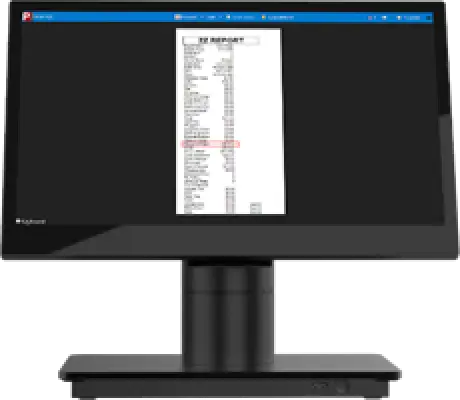
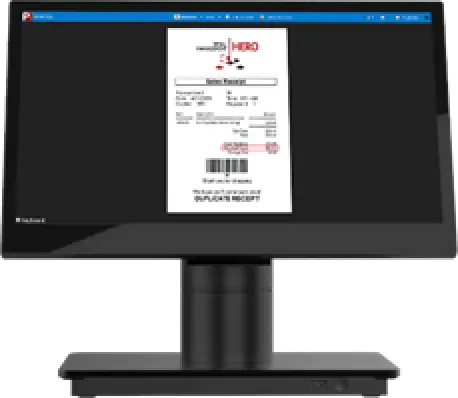
- Receipts display a "Roundoff Cash" line; Z Reports include a "Roundoff Error" line
For in-depth steps on how to configure this correctly in Retail Management Hero, visit our RMH Support Article.
Note: The U.S. Treasury recommends "symmetrical rounding," which produces the same result as banker's rounding in the vast majority of retail transactions. The difference is only in how exact midpoints are handled.
What This Means for Business Consultants
The penny phase-out is a real opportunity to lead the conversation:
- Proactively advise retailers on cash handling changes and timing
- Audit POS configurations before shortages create checkout problems
- Summarize state-level tax and rounding guidance that retailers may not be tracking
- Flag considerations like SNAP pricing parity and cash acceptance laws
- Provide staff training and change management support
Retailers aren't just looking for software — they're looking for clarity during operational shifts like this one.
The disappearance of newly minted pennies won’t happen overnight—but its effects are already being felt. Retailers who prepare now will experience smoother transitions, fewer checkout delays, and more confident staff. Business Consultants who lead the conversation will stand out as indispensable partners.
Canada eliminated its penny in 2013 with a structured campaign — public education, standardized rounding rules, and coin recycling. The U.S. approach has been far less coordinated, with guidance largely left to states and the private sector. This is exactly why Solution Providers who fill that gap are so valuable right now.
FAQ: Penny Rounding
Are pennies still legal tender?
Yes. Pennies are still legal tender, but new pennies are no longer being produced, which may lead to shortages.
Do I have to stop accepting pennies?
No. There is currently no federal requirement to stop using pennies. Retailers can decide what works best for their business.
How do cash transactions work without pennies?
Cash totals are rounded to the nearest nickel (5 cents). Item prices and card/digital payments are unaffected.
Does rounding affect credit or debit transactions?
While RMH supports rounding any tender type, most retailers are only rounding cash payments to support the discontinuation of the penny.
Will customers see the rounding?
Yes. Receipts clearly display a “Roundoff Cash” line showing the adjustment.
Do I need to update my POS system?
Many retailers are getting a head start by configuring their POS to round cash totals to $0.05 to avoid checkout issues. We recommend doing the same.
Does rounding change sales tax?
Are SNAP/EBT affected by the penny shortage?
Are any states passing rounding laws?